B2B SEO is not only about ranking blog articles. For technical brands, SaaS companies, AI startups, cloud platforms, and developer-focused businesses, SEO should help the right buyers understand the problem, trust the solution, and move toward a sales conversation. A strong B2B SEO strategy connects technical SEO, content creation, service pages, and conversion-focused search intent into one system.
What Is B2B SEO?
B2B SEO means improving a business website so other businesses can find it through search engines when they are researching problems, solutions, services, or vendors. Unlike B2C SEO, the buyer journey is usually longer because multiple people may be involved in the decision. A visitor may first read an educational blog, later compare service providers, and only then book a call.
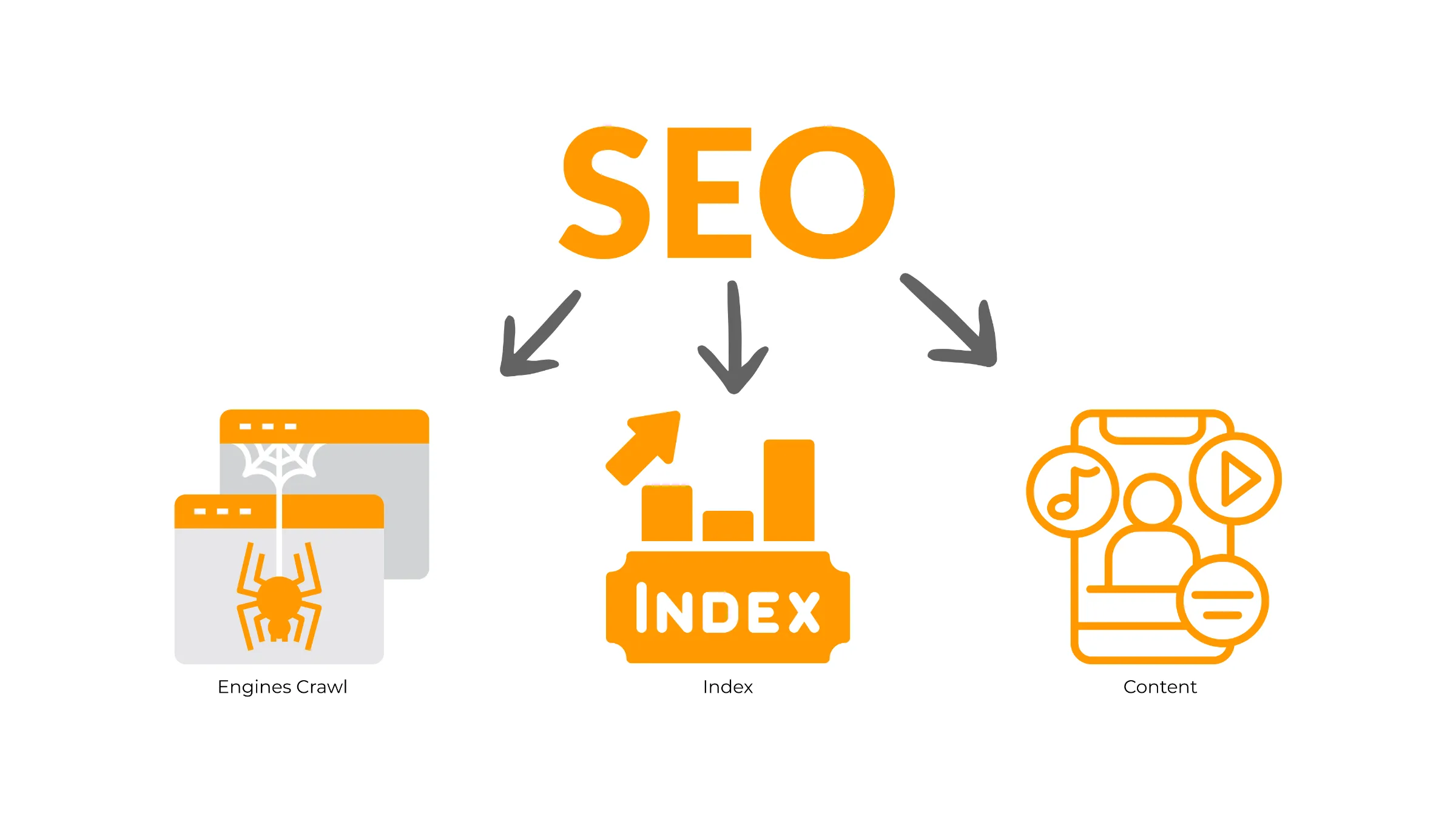
This is why B2B search engine optimization needs more than traffic-focused blog writing. It should include keyword strategy, technical website health, service-page optimization, thought-leadership content, and lead-generation paths. Google’s own SEO Starter Guide also explains that SEO helps search engines crawl, index, and understand content properly.
 ## Why Does B2B SEO Need a Clear Strategy?
A good B2B SEO strategy starts with the buyer’s real questions. Technical buyers often search for problem explanations, comparison pages, implementation guides, pricing signals, security details, and proof of expertise before they contact a company. If your website only has generic service pages, it may not capture buyers during the research stage.
The strategy should map keywords to different stages of the buyer journey. Informational keywords can support blogs and guides, while commercial keywords should support service pages, comparison pages, and landing pages. This helps your website attract both early-stage researchers and high-intent buyers who are closer to making a decision.
How Does Technical SEO Support B2B Search Visibility?
Technical SEO makes sure your website can be crawled, indexed, loaded, and understood properly. A technical SEO expert usually checks site speed, page structure, internal linking, crawl errors, redirects, schema markup, mobile usability, and indexation issues. These elements may not always be visible to readers, but they affect how well search engines can process the website.
For technical brands, this matters because complex service pages and content hubs can easily become hard to navigate. A technical SEO specialist can identify pages that are blocked, duplicated, poorly structured, or missing important metadata. Google’s guide on structured data also explains how structured markup can help Google better understand page content.
What Are the Most Important B2B SEO Best Practices?
The best B2B SEO best practices are built around clarity, usefulness, and search intent. A page should clearly explain who it is for, what problem it solves, why the solution matters, and what the reader should do next. This is especially important for technical services because vague marketing language does not build trust with expert buyers.
Important practices include:
- Create service pages for high-intent keywords
- Write blog content around buyer pain points
- Use internal links between blogs, service pages, and case studies
- Add FAQs for direct search and AI search visibility
- Keep technical SEO issues under control
- Use proof, examples, and expert explanations
Google also recommends creating helpful, reliable, people-first content instead of content written only to manipulate rankings. For B2B brands, this means content should help real buyers make better decisions. Search visibility is useful only when the content behind it is clear, credible, and connected to the business offer.
How Should B2B Brands Use Content Creation for SEO?
Content is one of the strongest parts of B2B SEO, but only when it is planned properly. Many content creation companies produce blogs, but technical brands need content that understands the product, audience, use cases, and buying concerns. A generic article may bring traffic, but it may not attract qualified leads or support sales conversations.
The better approach is to create content around real buyer questions. For example, a cybersecurity company may need pages about compliance, risk, vendor comparison, product education, and implementation challenges. A developer tool company may need technical guides, integration articles, API explainers, and adoption-focused content that speaks to both engineers and decision-makers.
How Does B2B Search Engine Marketing Work with SEO?
B2B search engine marketing usually includes both organic SEO and paid search. Paid search can help a company appear quickly for competitive keywords, while SEO builds long-term visibility through useful pages and technical optimization. When both work together, the company can test keyword demand through ads and then build organic content around the strongest opportunities.
However, paid search should not replace SEO. If a company depends only on ads, visibility stops when the budget stops. SEO gives the business a longer-term asset because service pages, comparison content, and educational articles can continue bringing qualified traffic over time.
How Is AI Search Changing B2B SEO?
AI search is making structure, clarity, and authority more important. Google’s guidance on AI features and your website explains how AI Overviews and AI Mode use search content in new search experiences. For B2B companies, this means content should be easy for both humans and AI systems to understand.
This does not mean writing only for AI tools. It means writing direct answers, using clear headings, explaining services properly, adding FAQs, and supporting claims with proof. Technical brands that explain their expertise clearly have a better chance of being understood across traditional search, AI search, and buyer research workflows.
Why Should Technical Companies Work with SEO Specialists?
Technical companies often struggle because their product or service is strong, but the website does not explain it clearly. A technical SEO specialist can improve the website foundation, while technical content experts can turn complex ideas into search-friendly pages. This combination is more useful than treating SEO as only keyword placement.
Our services fit this gap by combining technical content writing, SEO strategy, developer marketing, AI search optimization, and conversion-focused content planning. For technical brands, the goal is not just to publish more blogs. The goal is to build a search system that brings the right buyers to the right pages and gives them enough confidence to take the next step.
Conclusion: Why Does B2B SEO Matter for Technical Growth?
B2B SEO matters because technical buyers search before they speak to sales. They compare solutions, check expertise, read educational content, and look for proof before trusting a company. A strong B2B SEO strategy helps your brand appear during that research process and guide buyers toward conversion.
For technical companies, the best results come from combining technical SEO, helpful content, service-page optimization, and clear buyer-focused messaging. This is where expert SEO support becomes valuable. Good B2B SEO does not only increase traffic; it builds trust, improves visibility, and supports qualified demand.

 Enlear