Developers are one of the most selective audiences you'll ever write for. They care deeply about accuracy, usefulness, and real-world relevance, and they can spot a sales pitch instantly.
Slick slogans and polished videos won't win them over. What gets their attention is content that helps them solve a problem, learn something new, or make their workflow smoother. If your content sounds like it was written without any input from someone who codes, developers will scroll past or, worse, call it out.
To earn their trust, you need to shift from persuasion to practical value. That means showing how something works, not just saying it's great. In this guide, we'll walk through proven ways to create content that developers respect and even share.
So, what does good developer content look like?
Think of it like helping a colleague troubleshoot a problem they don't want a pitch, they want a clear path forward. Content that earns a developer's attention tends to follow a few simple, reliable principles:
- Be hands-on: Show real examples that help developers build, fix, or improve something.
- Focus on learning: Teach something useful instead of selling a product.
- Work with developers: Engage engineers to ensure the content is accurate and credible.
- Be honest, not flashy: Clear, working examples matter more than polished presentations.
- Speak their language: Refer to tools, challenges, and topics developers already care about.
Why It's Important for Marketers?
Developers are quick to dismiss anything that feels like marketing. They're not drawn in by big claims or flashy language; in fact, those things often have the opposite effect. If content sounds exaggerated, vague, or overly polished, it's likely to be ignored. Developers want content that helps them solve real problems, understand how things work, or make better decisions. That's why authenticity and practical value matter so much in developer-focused content.
"Put simply: if your content wouldn't feel useful or credible in a conversation between developers, like in Slack or on GitHub, it probably won't earn their trust."
When you lead with clarity, usefulness, and a genuine understanding of what developers care about, your content becomes a resource, not a pitch.
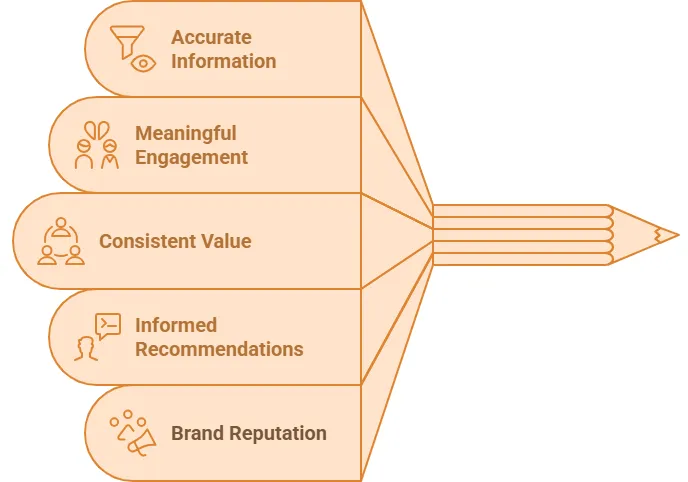
It Builds Trust
Developers respect brands that treat them as equals. When you share accurate, honest information that helps them solve real problems, you earn credibility. You're no longer just another vendor, you become a resource.
- For example, a guide that clearly explains how to handle tricky API errors shows developers that you understand their real-world challenges, and that builds trust.
It Drives Meaningful Engagement
Genuinely helpful content gets noticed. Developers are more likely to read, share, and discuss articles, tutorials, or docs that answer their questions or save them time, not ones that push a sales message.
- For example, a clear tutorial that helps fix a common issue in a widely used framework is the kind of content developers naturally share.
It Fosters Loyalty
When developers consistently find value in your content, they start to rely on it. Over time, this builds emotional trust and lasting loyalty, something even great products can't achieve on their own.
- For example, publishing practical how-to articles each week gives developers a reason to keep coming back, and over time, they start to see your brand as a go-to resource.
It Influences Buying Decisions
Developers often have a say in what tools their team adopts. They're looking for facts, working code, clear documentation, and practical examples, not marketing claims. Helpful content gives them what they need to make informed recommendations.
It Strengthens Your Brand Reputation
Helpful, transparent brands become trusted voices in the developer community. When you show up consistently with real value, your content becomes a go-to reference, and your brand earns long-term respect.
Developers aren't looking to be sold to, they're looking for solutions. When they search for content, it's usually because they're trying to fix something, build something, or make a decision quickly so they can move on to the next task. What they value most is content that respects their time, addresses their problem directly, and offers real help.
Trust is the foundation of any meaningful connection. And trust is earned by being honest, clear, and useful, not by pushing a pitch. When your content is genuinely helpful, developers notice and they remember.
Key Tips for Sharing Real Stories Developers Want to Read
- Prioritize value and problem-solving (e.g., real tutorials, not just product pitches)
- Tell real stories, not sales pitches (e.g., case studies, postmortems)
- Be transparent and authentic (e.g., acknowledge limitations)
- Educate, engage, and invite participation (e.g., interactive guides, open comments)
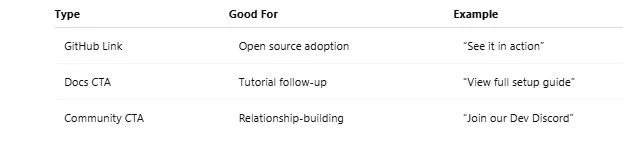
- Use soft, relevant CTAs (e.g., "Check out our GitHub repo")
- Highlight community contributions (e.g., developer spotlights)
- Stay true to your brand and audience (e.g., relevant, focused topics)
How to Market to Developers Without Losing Their Trust?
Focus on Solving Real Problems, Not Selling Features
"If a blog post helps me fix something today, I'll remember the brand tomorrow."
The most effective developer content starts with a real challenge, not a product pitch. Developers are looking for practical solutions to the problems they're dealing with right now. Your content should help them fix something, build something, or understand something more clearly. That might mean writing a step-by-step tutorial, explaining a tricky bug, or offering a better approach to a common task.
Checklist:
- Does this solve a real problem?
- Is there working code?
- Would I share this with a teammate?
Example:
Instead of saying, "Our API makes authentication easy, sign up now!", write a tutorial like "How to Implement OAuth2 Authentication in Node.js (with Common Pitfalls and Solutions)." You can include your API as part of the solution, but the focus should stay on helping the reader solve their authentication problem.
Use Real Stories, Not Just Product Benefits
Rather than listing out features or claims, show how your product fits into real-world scenarios. Developers respond better to authentic stories, especially when they reflect challenges they've faced themselves. Case studies, technical retrospectives, and first-hand experiences provide context, build credibility, and help developers see how a solution might work in practice.
Example:
Instead of writing a feature list, consider a post like "How We Reduced Our Build Times by 50%: Lessons from Migrating to a Monorepo." Walk through what prompted the change, the decisions made along the way, and the outcome. Mention your tool only if it genuinely contributed to the solution, and readers will value the honesty.
Be Honest and Clear
"I trust companies that are upfront about what their tools can't do."
Developers appreciate content that speaks to them like a peer, not a pitch. Use a straightforward, conversational tone and avoid unnecessary jargon or buzzwords. If your product has limitations or trade-offs, say so clearly. Trying to gloss over gaps will only hurt your credibility.
Example:
If your SDK doesn't yet support a popular language, be upfront: "Right now, our SDK supports Python and JavaScript. We're working on Go support until then, here's a workaround that might help." Being honest shows respect and helps developers make informed decisions.
Make Content Useful and a Little Fun

Great developer content does more than explain; it teaches, invites conversation, and occasionally entertains. Whether you're writing a tutorial, sharing a code snippet, or publishing a technical deep dive, the goal is to offer value while keeping things engaging.
Ways to do this:
- Write detailed how-to guides that walk through real problems step by step
- Share open-source tools, code examples, or internal experiments
- Ask for feedback or alternative solutions to start a conversation
Example:
A blog post like "5 Weird JavaScript Quirks (and How to Avoid Them)" can educate and spark discussion, especially if it includes live code examples and a space for readers to comment or share their findings
Use Gentle, Relevant Calls to Action
Avoid interrupting helpful content with pushy sales prompts. Instead, let your content deliver value first. If a call to action fits naturally, add it at the end as a helpful next step, not a hard sell.
Example:
After a guide on setting up CI/CD pipelines, you might end up with:
"Looking for more advanced workflows? Check out our open-source CI scripts on GitHub. Contributions welcome."
This kind of CTA feels like a helpful suggestion, not a pitch.
Show That You Value the Community
One of the most effective ways to build credibility is by highlighting the developers who use your product, contribute ideas, or share their work. When you feature community stories and encourage peer-to-peer learning, you show you're invested in more than just promotion, you're part of the ecosystem.
Example:
Start a monthly "Developer Spotlight" series. Interview real users who've built creative or complex projects using your API or SDK. Keep the focus on what they've accomplished, not just how your product was involved.
Stay Relevant, Not Trendy
Not every meme or viral format fits with developer culture. Instead of chasing trends, focus on the topics, tools, and formats your audience cares about. Relevance builds trust superficial trend jacking doesn't.
Example:
If AI-generated memes are trending but your audience is more concerned with backend systems, skip the meme. Instead, write something like "How Containerization Is Changing Backend Development in 2025", a topic they're more likely to care about and share.
It is possible to create developer content that doesn't feel like marketing, and when done right, it's far more effective. Focus on solving real problems, sharing authentic insights, and celebrating your developer community. That's how you build trust, spark engagement, and make your brand a welcome part of a developer's workflow not just another logo in their feed.

 Enlear